03. The ordinary is the point
For years I chased the dramatic shot. The storm coming in over the sea. The kind of light that announces itself from a kilometre away. I came home with photographs that looked impressive and felt, somehow, like they belonged to someone else.
The work I keep now is quieter than that.
The dramatic photograph is usually the lazy one
A sunset does most of the work for you. So does a storm, a protest, a fire, a child crying in a doorway. The drama is already in the scene. Your job, as the photographer, shrinks to the smaller task of being present and not getting in the way. The picture was always going to be good.
This is why dramatic photographs feel satisfying to make, and, often, hollow to return to. The reward came too easily. You didn’t bring anything to the frame, you just collected what was already there.
The ordinary subject offers no such bargain. A patch of wall in afternoon light, a half-eaten meal, a stranger waiting at a bus stop. Nothing about these scenes is asking to be photographed. If the picture works, it works because you did something, chose this angle and not that one, waited an extra minute, noticed the small geometry the scene was offering. The photograph becomes a record of attention, not of luck.
There is a reason most beginners chase the dramatic and most experienced artists move away from it. The dramatic subject teaches you almost nothing. You can photograph spectacle for ten years and develop no eye at all, because the eye was never the thing being tested. The ordinary subject is the one that builds you.
The dramatic photograph is usually the lazy one
Every winter I drive to the same stretch of the Spanish east coast. The towns there are built for summer, for crowds, for heat, for the noise of people who arrived from somewhere else and will leave again. In December, none of that is there. The shutters are down. The bars are closed. The promenade holds maybe one old man and a dog. The sea is the only thing still working.
The first time I went, I almost left after an hour. There was nothing to photograph. A whitewashed wall is a whitewashed wall. An empty square is an empty square. I had driven 2 hours to find a place where nothing was happening.
I stayed anyway, out of stubborness.
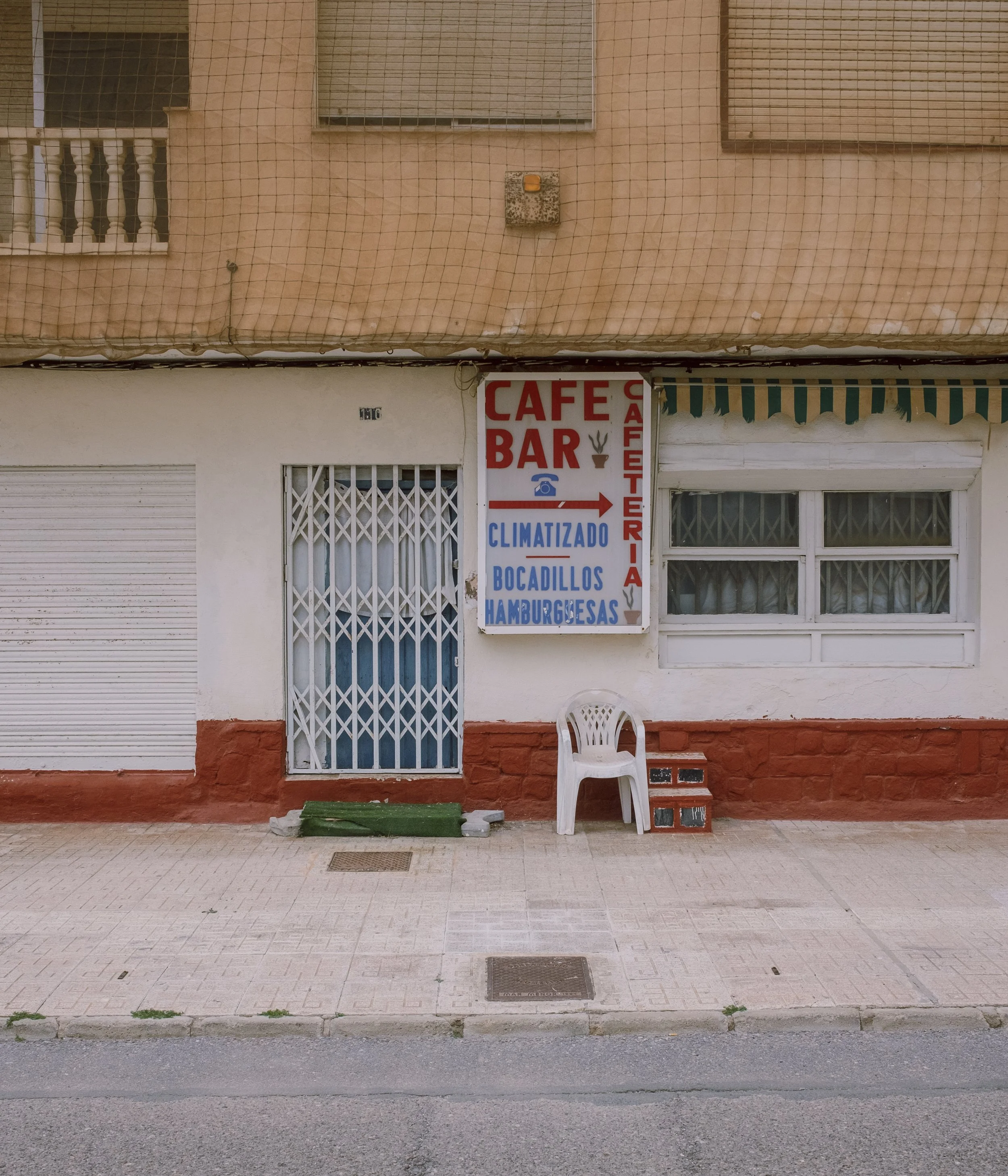
A few hours later, I started to notice that nothing happening is itself a condition, with its own light, its own weight, its own slow rhythm. A plastic chair left outside a closed café has been there long enough to fade. An old grey-ish car was parked along a side street, dust settled on the windshield, the tires softened, a car that hadn’t moved in a long time, in a town where nothing was moving either.
The photographs came once I stopped looking for events and started looking for what was still there when no events where happening. They are not dramatic pictures. A folded umbrella against a closed window, next to a small upturned fisherman’s boat resting on a table. Each one is a record of a town that exists in suspension.
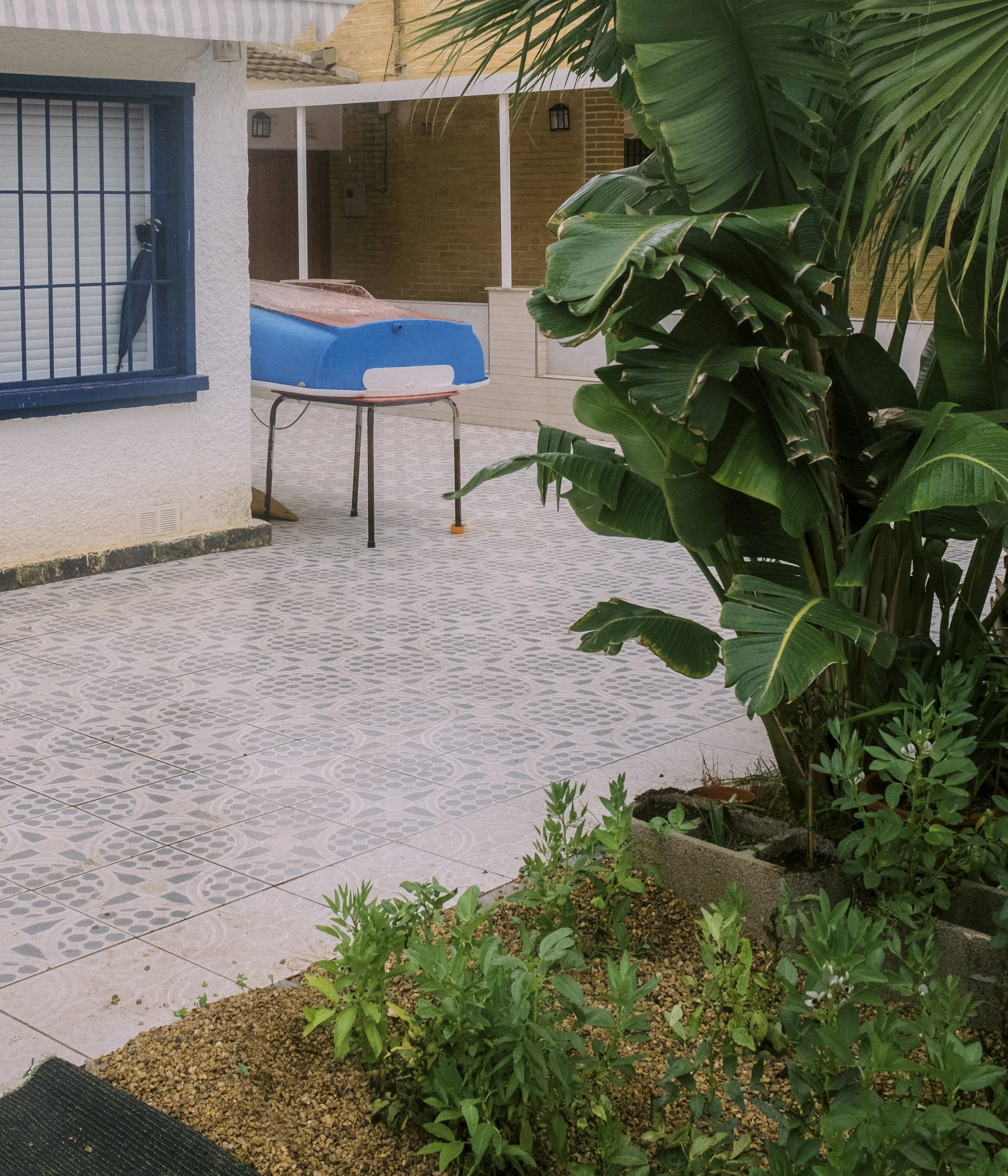
I go back there every winter now. Not because the towns change. Because I keep findind things I missed the year before. The subject is patient. It will wait as long as you do.
The ordinary is almost honest
A dramatic photograph is, almost always, an argument. The sunset is an argument for beauty. The protest is an argument for outrage. The crying child is an argument for sympathy. The photograph wants something from you. It is trying to move you somwhere, toward awe, toward grief, toward a feeling already labelled and ready.
The ordinary photograph doesn’t argue. A closed café in December isn’t telling you to feel anything. A parked car isn’t asking you for sympathy. The image is offered without instruction, and what you bring to it, your own memory, your own slowness, your own attention, is what gives it weight. The photograph trusts you.
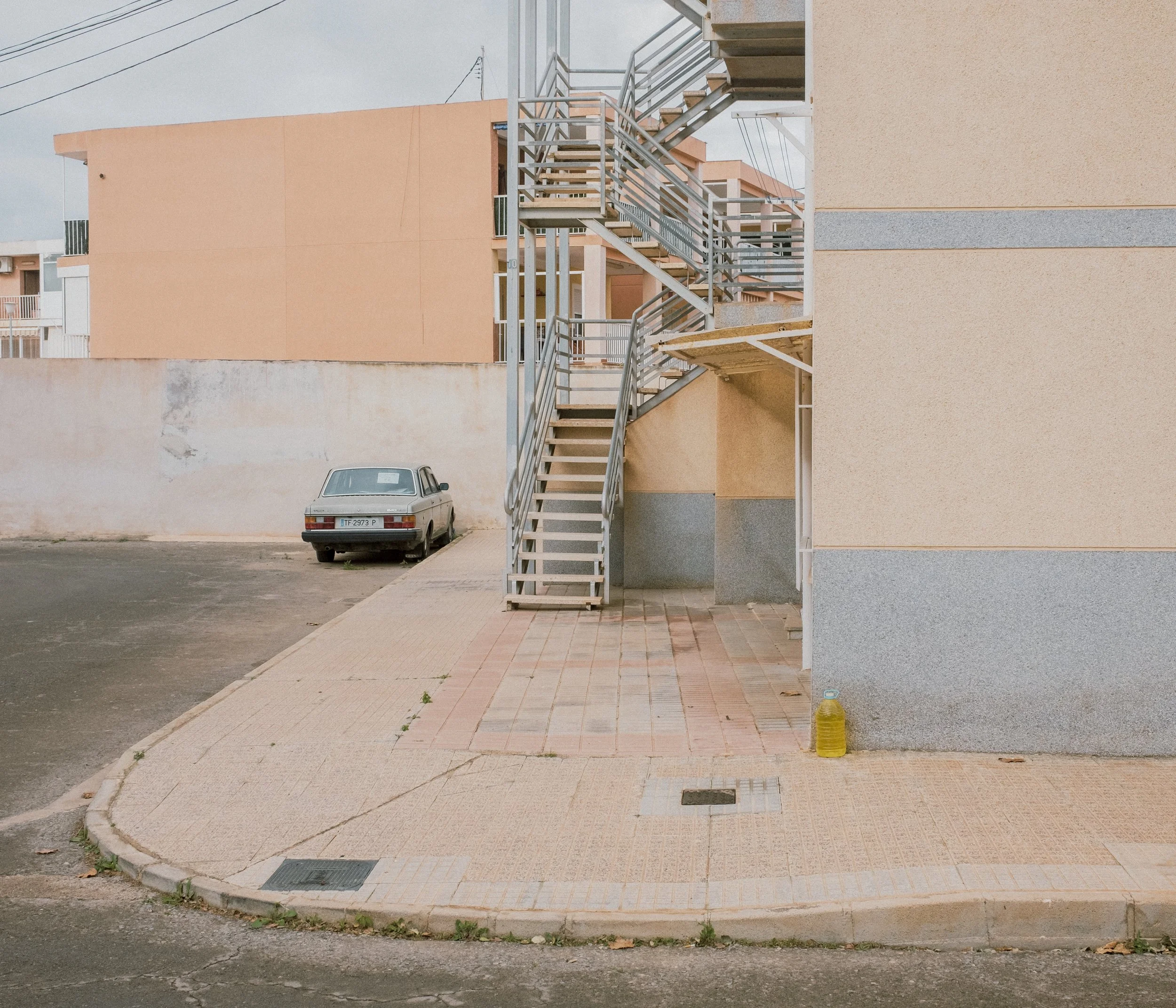
That trust is the lesson I keep coming back to. The dramatic image flatters the viewer telling them how to feel. The quiet image respects the viewer enough to let them feel whatever they actually feel.
Honesty in a photograph isn’t about the subject being true. It’s about the photographer not pretending to know what the subject means.
Photograph what youd’d normally walk past
Here is a small practice for the coming week. It doest not require a new lens, a trip, or a project. It only requires a willingness to stop where you usually wouldn’t.
Pick a street you walk often, the one near your home, the one between you and your office. Walk it once without the camera. Notice what your eye lands on, and what it slides past. The wall you treat as background. The car that has been parked there weeks. These are your subjects.
Walk it again, slowly, with the camera. Stop at one of the things your eye slides past the first time. Stand with it for two minutes. Long enough to feel awkward. Long enough that the urge to move on becomes information about how much your attention has been trained to move one.
Make one photograph. Not the best one, the honest one.
Then come back tomorrow. Same block, same subject. See what you missed.
The ordinary will not announce itself
It will not reward you quickly. It asks only that you stay long enough to see what was always there. That is the whole practice. Everything else, the eye, the work, the body of pictures you’ll be proud of in ten years, grows out of it.
