06. Underneath our feet
The first cemetery I photographed, I went in for the light. I came out thinking about everyone underneath me.
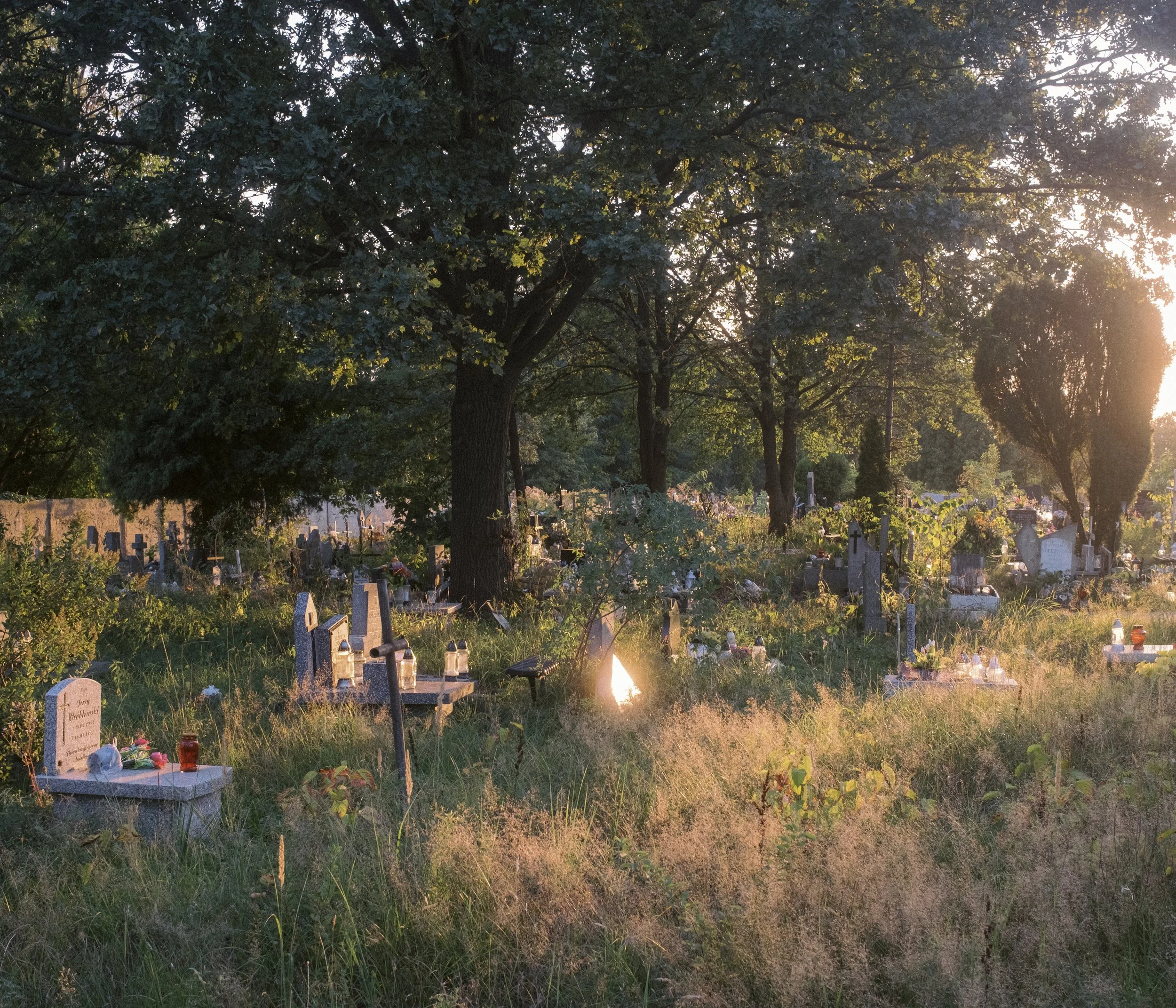
It was an ordinary afternoon, the kind you’d forget by evening. I'd expected nothing, a quiet place to work, a few good shadows. What I found instead was a feeling that followed me home, and has stayed ever since. These are places where time stops. The stories here are cut into stone, worn down by weather, half-erased by time.
That feeling is why I keep going back.
What I’m actually photographing
I don't shoot the graves so much as what's left around them. A name you can barely read anymore. A flower someone placed last week on a stone from the early twentieth century. Sunlight crossing letters I can no longer read. I photograph not the graves themselves so much as the sense that someone is still here. The absence has a shape, and I keep trying to catch it.
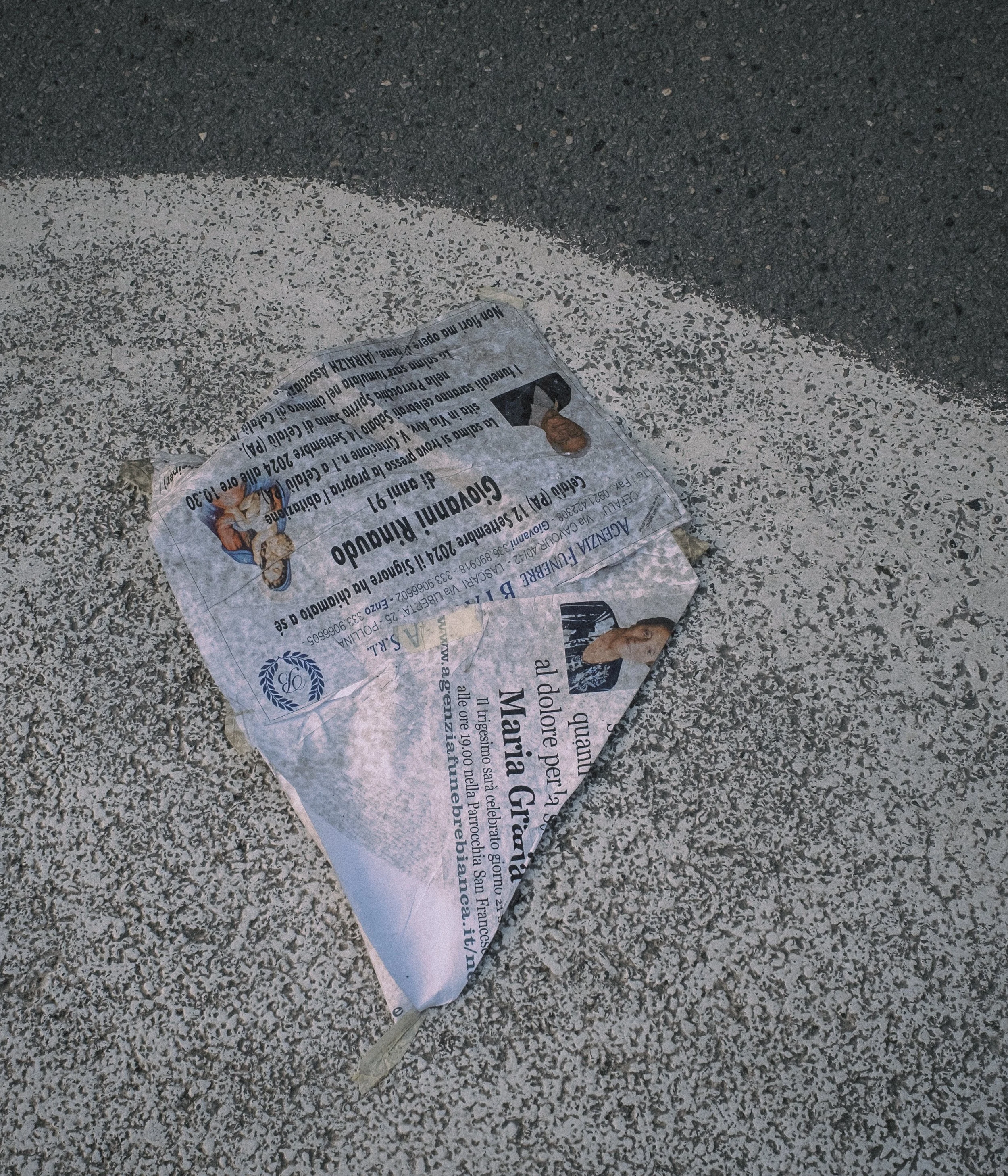
There's a line from Levinas I think about when I'm out there: "Death is not only an event in nature; it is an irreplaceable moment, the definitive absence of the face of the other." That's the thing I'm photographing, not death in the abstract, but the particular missing face. The person this stone stands in for. Every grave is irreplaceable in exactly that way, and the camera is my clumsy attempt to honour it.
Arguments against forgetting
What I notice most is how people resist forgetting. A fresh flower on a hundred-year-old tomb. A photograph in a small oval frame, faded almost white. Candles in red glass. These are arguments against being forgotten. Every visited grave is someone insisting that a person they loved will not simply vanish.
When I raise the camera, the shutter is a small refusal, a way of holding on to names that the weather and time are busy erasing.
One foot in each
A cemetery sits at the edge of things, between the lives that ended and the one I'm still living. You stand with one foot in what's over and one in what's still going, and for a few minutes you see your own days more clearly than you usually let yourself. That clarity is hard to describe to anyone who hasn't felt it.
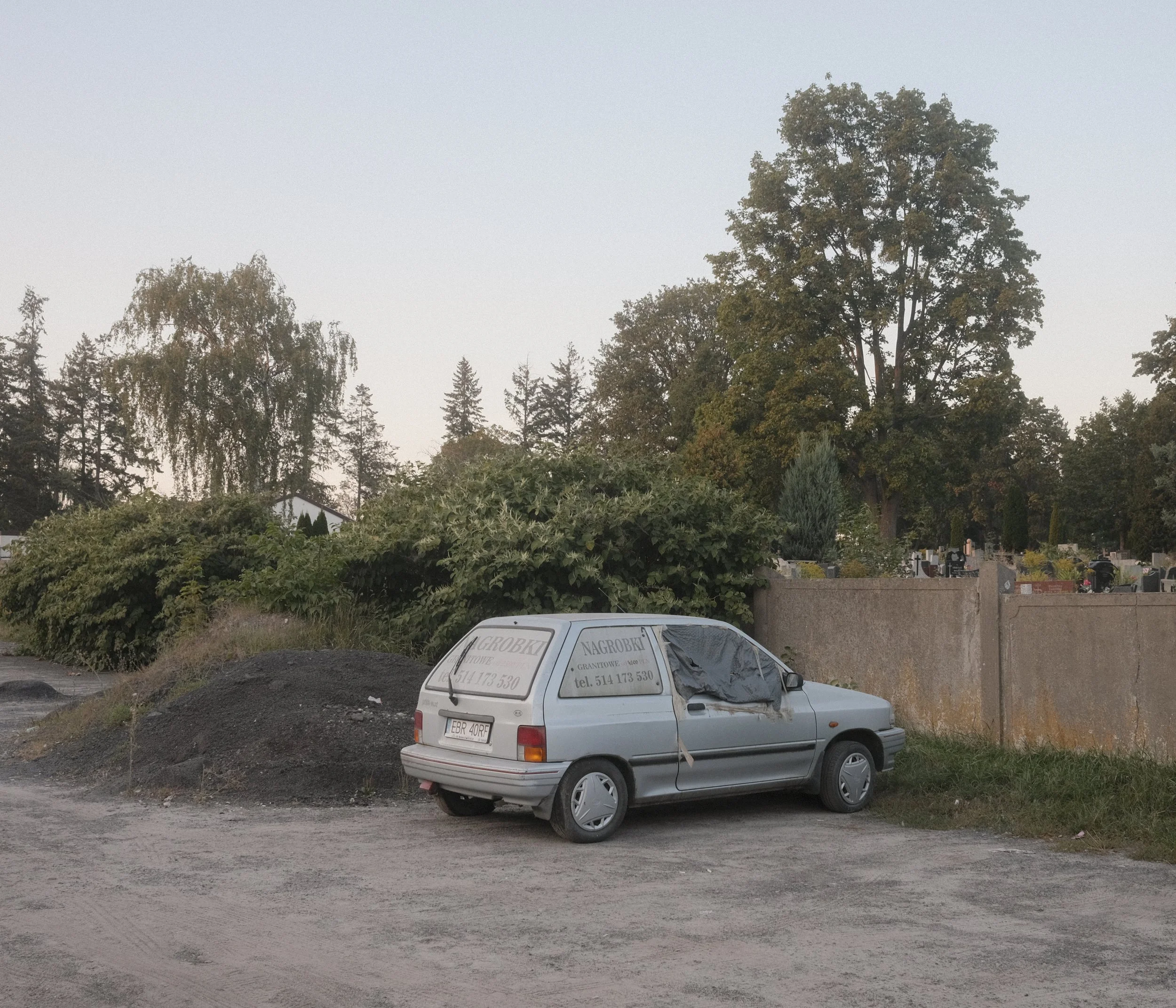
The past is right there under your feet, finished, legible. Your own life is the unfinished thing. The part you're still walking into, the way everyone before you walked into theirs.
The lesson was never death
I used to think the lesson of a cemetery was about death. It's more about attention. These are people who lived their whole lives, mornings, arguments, small pleasures, work they were proud of or not, and almost all of it is gone now, unrecorded, beyond reach. What remains is a name and whatever someone chooses to do with it. A flower. A photograph. A few minutes of being looked at.
If that's all a life leaves behind, then noticing isn't a small act. It may be the only one that matters. The mundane morning, the overlooked face, the ordinary street, they don't earn attention by being remarkable. They earn it by being there, by being real, by being gone soon enough.
Noticing while still can
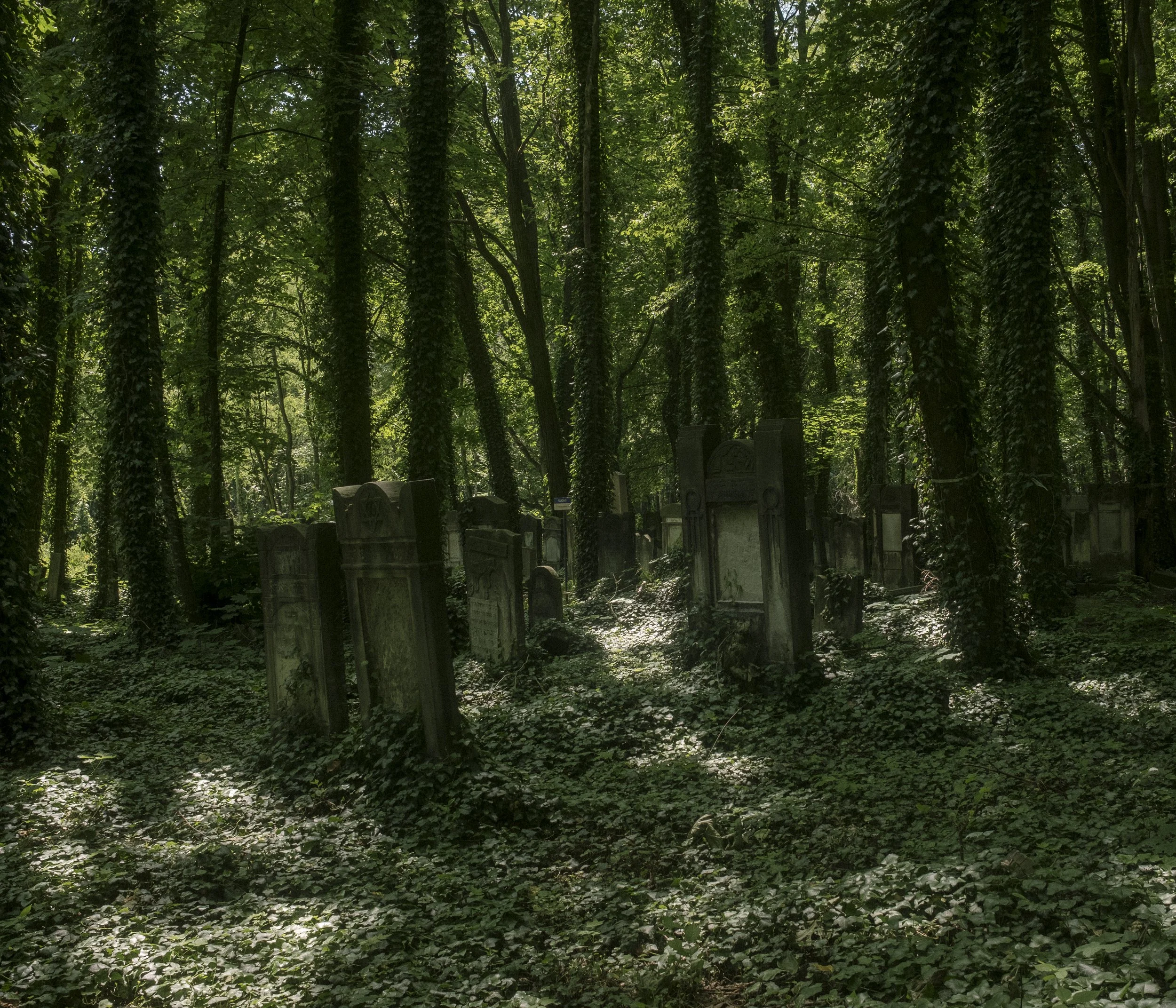
So I keep photographing cemeteries, even though they were never my subject when I started. The ground under my feet holds more lives than I can count, and my job is the same as anyone's: to notice them while they can still be noticed. To carry the past forward instead of leaving it buried. To let it shape where I walk next.
The names on the stones won't last. Neither will ours. But for as long as we're still here, paying attention is the one form of resistance available to us, and it turns out to be enough.
